
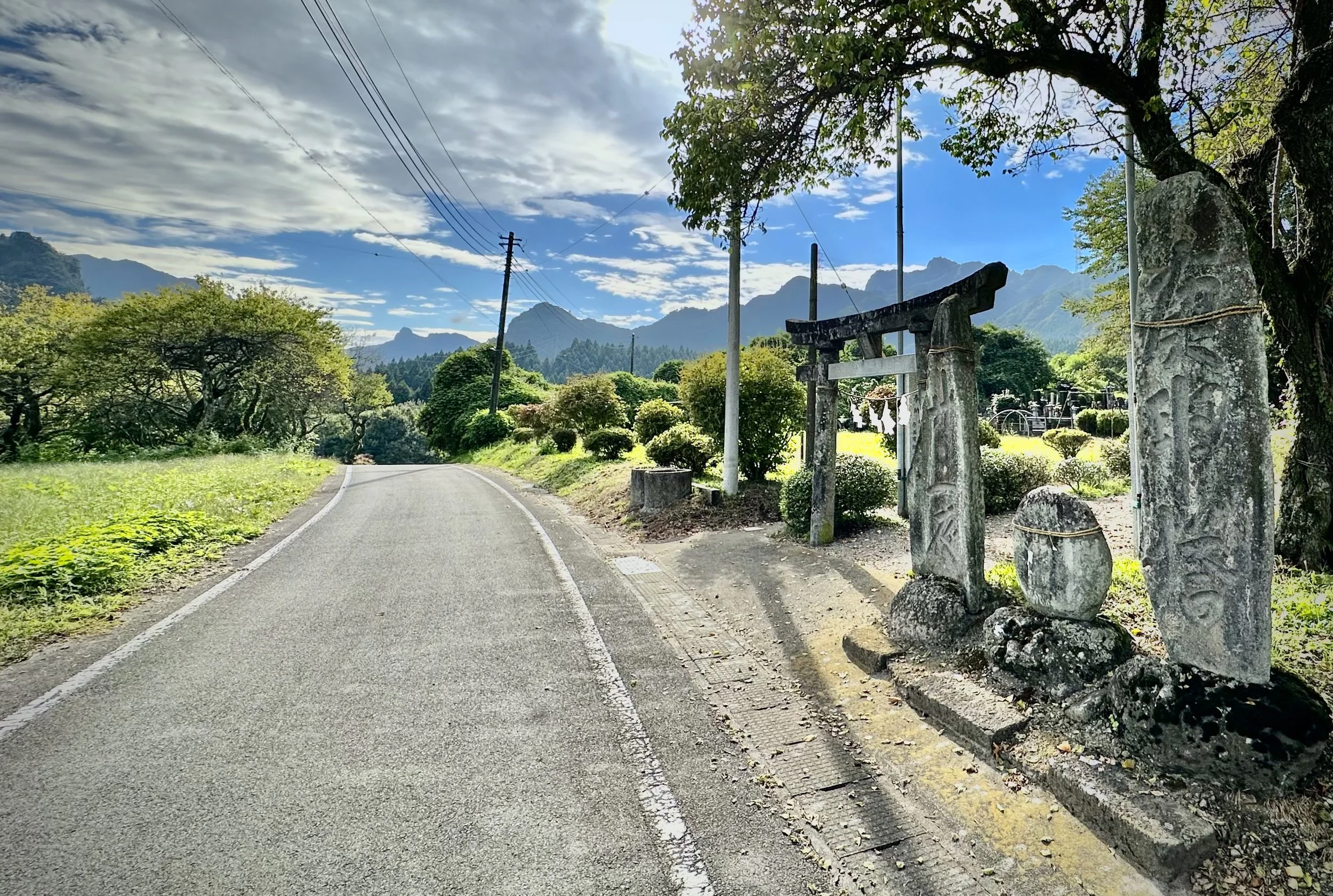
Welcome to The Nakasendo Project
A historically grounded walking guide to Japan’s Nakasendō Road based on original research and fieldwork
今こそ、天下の名所旧跡を歴遊し、見聞を胸に蓄ふべき時なり。
しかして、やがて年老い、頭も禿げ候折には、茶の湯の席にて語る種ともなら。”
Now is the time to visit all the celebrated places in the country and fill our heads with what we have seen so that when we become old and bald we shall have something to talk about over teacups.”
-Ikku Jippensha, Hizakurige, 1802
Walking the Nakasendō
The Nakasendō Road is a 534-kilometer inland highway that once linked Edo and Kyoto through sixty-nine post towns during Japan’s Tokugawa period and early Meiji era. But to describe it merely as a road is to miss its real significance. The Nakasendō cuts across Japan’s most densely settled plains, passes through agricultural heartlands, climbs into alpine mountain corridors, and descends into the historically layered basin of Lake Biwa. Along the way, it passes through post towns that reveal a striking diversity of landscapes, natural beauty, and regional cultures that few travelers to the country experience.
The Nakasendō Project addresses the absence of a historically rigorous English-language guide to this route. Rather than treating the road as a scenic walk, the project approaches it as a living environment, one that empowered a unique travel culture that still exists today, enforced authority, enabled trade, and connected distant regions long before modern infrastructure and Japan’s evolution to a modern state.
Drawing on original traveler diaries, Edo-period travel literature, art, political history, and local archival sources, the project reconstructs how people actually moved along the Nakasendō and why the road mattered to the formation of early modern Japan. Walking the route with this historical context offers insights into Japan’s past, and its present, that conventional tourism cannot provide.
By grounding the modern journey in historical research, the project allows today’s walkers to follow the Nakasendō on foot while understanding how Edo-period legacies continue to shape and inform Japan’s landscape, communities, and cultural identity.
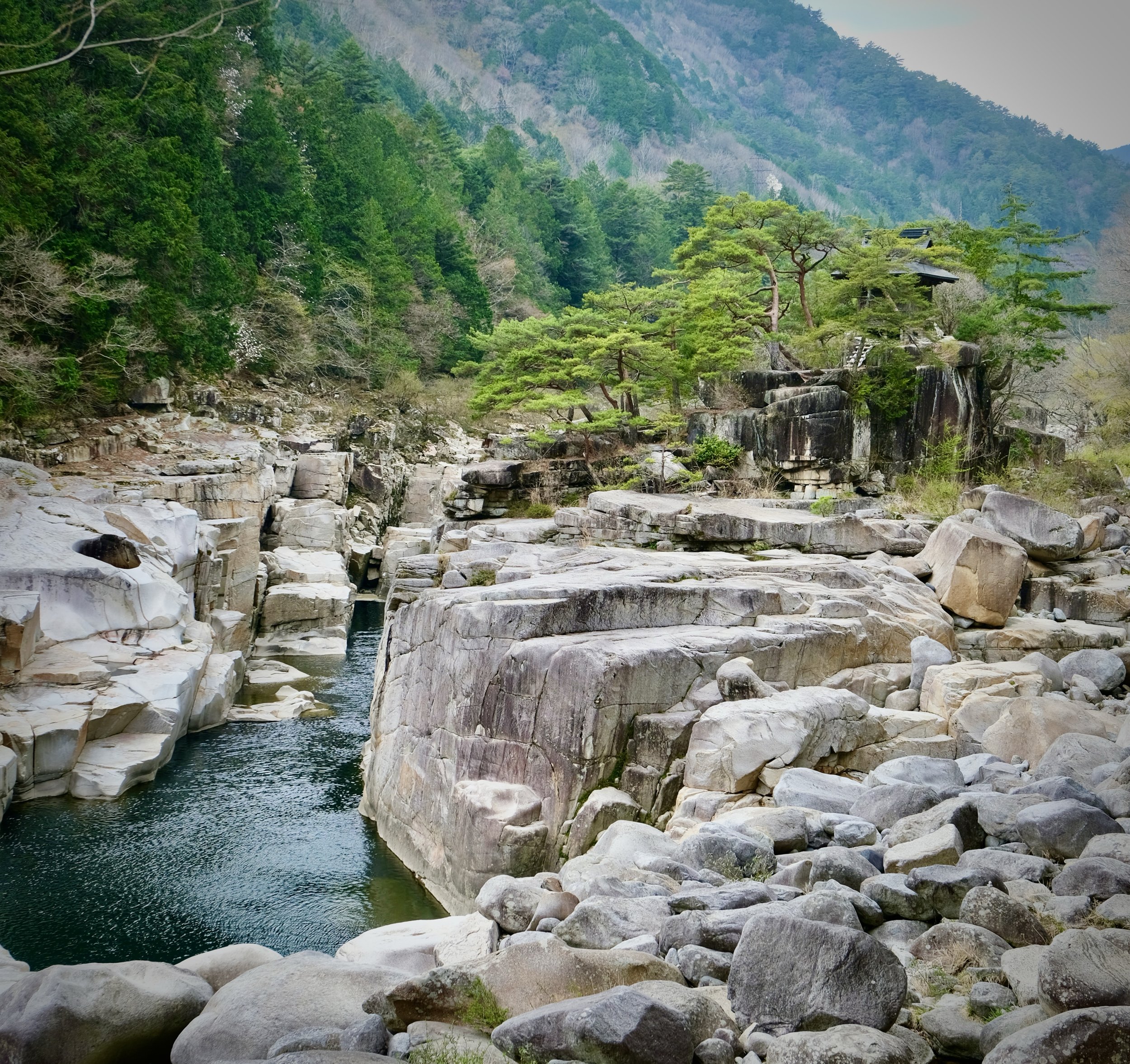
さすらひの / 青葉の蔭に / 笠やすむ
"A wanderer rests / in green shade, giving his hat / a chance to breathe.
-Kobayashi Issa “The Spring of my Life,” 1819
What Makes Us Different…
A full route, historically researched, on foot documentation of the entire road
Brings to life past traveler's voices at the post-station level
Emphasizes physical and cultural legacies in the modern landscape across all 69 post towns
Cross-referenced history using primary Edo and Early Meiji period sources in Japanese and English
A culmination of over 5 years of historical and field research across the entire breadth of the road
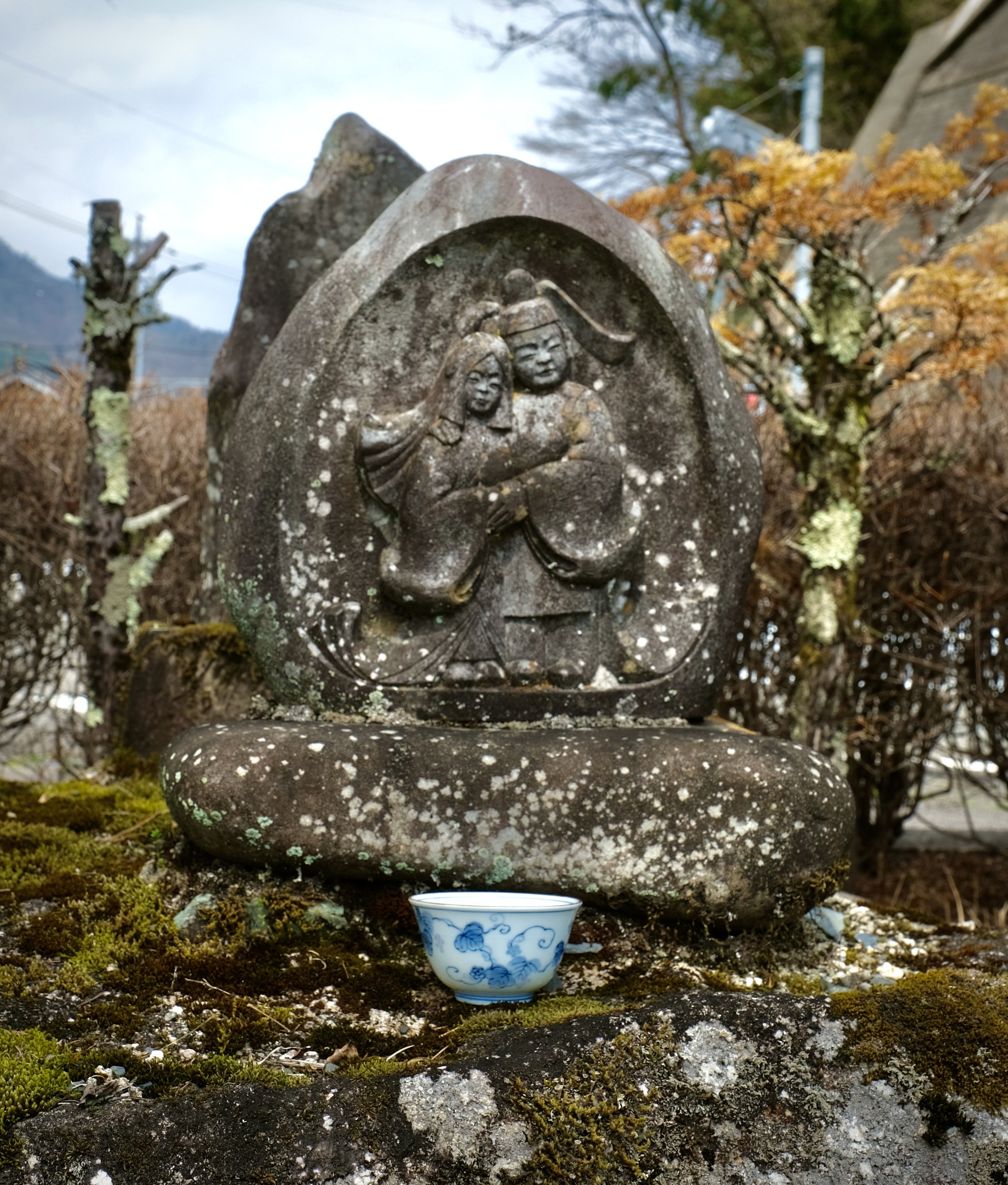
Why Most Nakasendō Guides Fall Short…
There are currently no historically rigorous English-Language guides to the full Nakasendō Road
Even comprehensive treatments in Japanese are hard to find
Most guides focus on hiking a small handful of popular, tourist-focused segments but ignore the larger tapestry of the full road
Most guides treat the road as just a hike, largely ignoring its broad historical context.
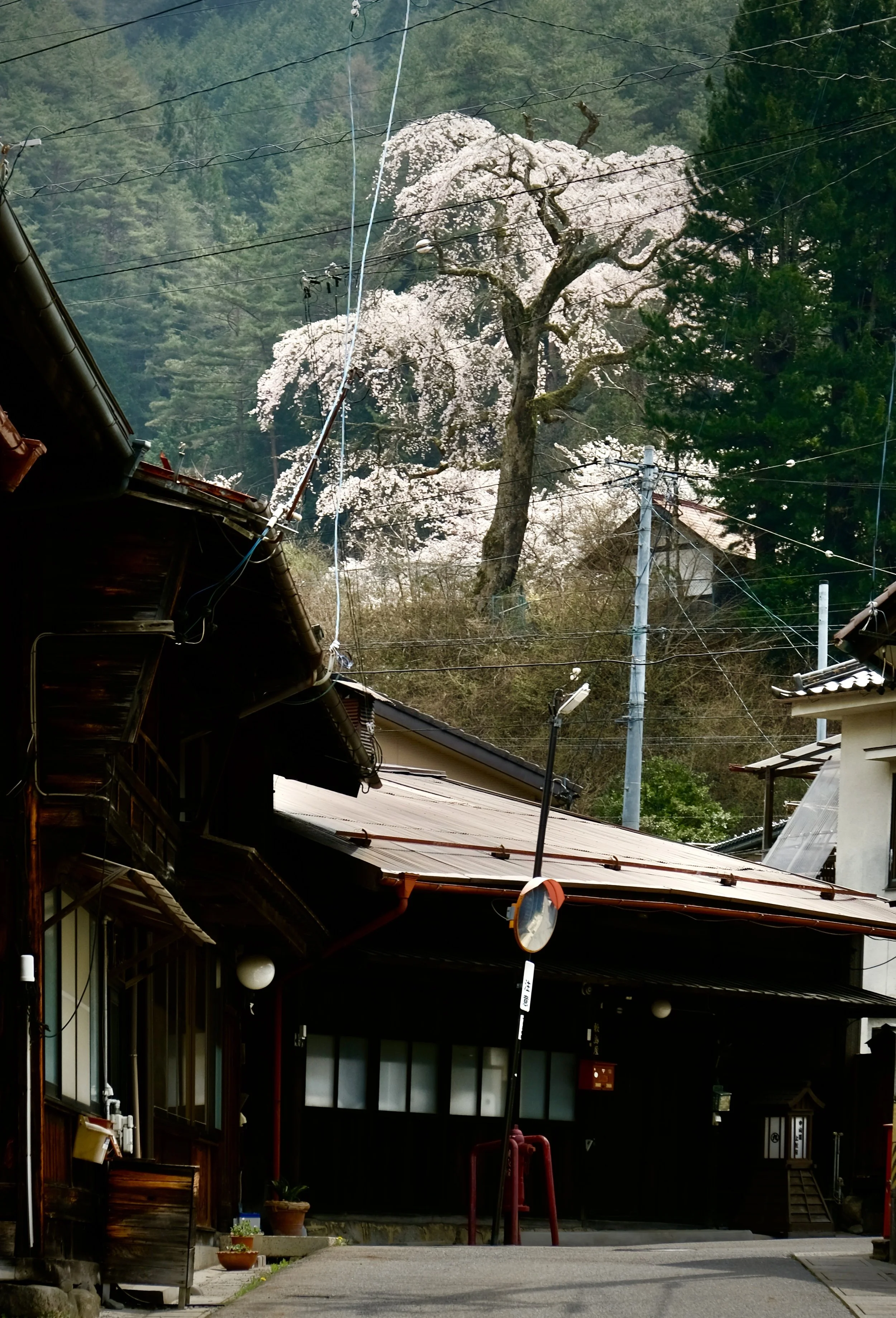
The Project:
The project is a detailed walking guide with GPS-supported maps, illustrations, and photography covering all 69 stations of the Nakasendō. Historical and cultural context is embedded at each post station and regional section, addressing themes such as pilgrimage, Edo-period travel culture, art and literature, and the everyday experiences of people who moved and lived along the road.
How the Nakasendō Project is Organized
The book follows the road geographically, with walking and historical themes emerging where they are physically encountered and highlighting Japan’s surprising diversity…
Urban & Suburban (Tokyo/Saitama): Departure from Edo, regulations, early movement
Transitions (Gunma / Gifu): Crossing borders, checkpoints, economic shifts and and entering and leaving the mountains
Mountains (Nagano): Terrain, weather, isolation, natural beauty and inns
Biwa Basin (Shiga): Leaving the mountains, water routes, older history and the approach to Kyoto.